October 09, 2026



A memory box is rarely just a box of things. Inside it are afternoons, people, and versions of yourself you had almost forgotten. That is why the usual decluttering advice — be ruthless, if it doesn't spark joy it goes — tends to collapse the moment the lid comes off. Nothing in there sparks joy, exactly. It sparks something heavier, and it takes longer to name.
You do not have to empty the box. You have to make it work again: something you can open without a wave of guilt, holding the things you would genuinely miss. That is a slower job than a wardrobe clear-out, and it needs a slower plan.
Most clutter fails a practical test. Do I wear it? Does it have a place? Does it still work? Sentimental items fail all of those and stay anyway, because they are not being kept for use. They are kept for meaning.
That makes every decision heavier. A jumper is a jumper. A ticket stub from a first gig is a question about who you were at seventeen and whether you still care about that person.
Two things follow from this. You cannot judge these items quickly, so don't try. And guilt is a terrible sorting tool. If you keep something only because throwing it away would feel like a betrayal, it will sit in the box quietly accusing you for another decade. Better to decide properly once.
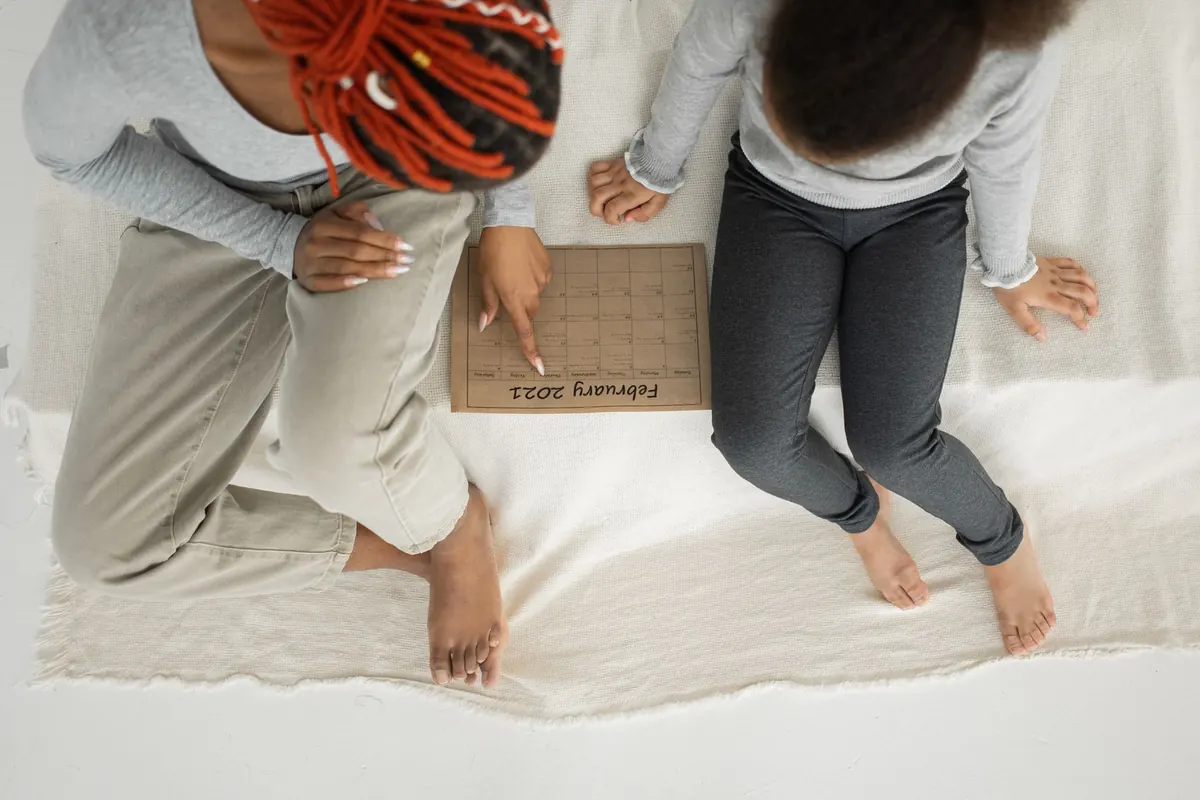
Give the job conditions it can succeed in. An hour before bed with a bin bag is not one of them.
That last point matters more than it sounds. Distance is a decision-making tool. Things that felt impossible in March are often obvious by June.
For individual objects, three questions do most of the work:
One clear yes is enough to keep something. You are not trying to reach a target number.
Where you get stuck, separate the memory from the object. Photograph the item, write two lines about it in a notebook, then let the thing itself go. A typed paragraph about your grandfather's toolbox often carries more than the toolbox does.
Photographs are the hardest category because they multiply. Nobody needs nine near-identical shots of the same birthday cake, but throwing away a photograph feels like editing the past.
Spread out one album, envelope or decade at a time. Pick the two or three pictures that best capture the day, the person or the place, and release the rest. Duplicates, blurred shots, landscapes with nobody in them and photos of people you cannot name are the easiest to let go — and nobody will ever ask for them.
If you are nervous, photograph the print with your phone first. It takes seconds, and it means the decision stays reversible in the way that matters: the image survives. Scan the fragile ones — very old prints, anything water-damaged — before you handle them repeatedly.
Then give the keepers a home. An album, a labelled photo box or a folder with clear names beats a carrier bag in the loft. If siblings or cousins appear in the pictures, offer copies. Photographs are one of the few things in a memory box that other people are usually delighted to receive.
Inherited objects carry an extra instruction: this was theirs, so it is yours now. That instruction is not a moral obligation, and treating it as one is how people end up with three sideboards they never chose.
A few things help. Keep one or two pieces well rather than a dozen badly — a single good photograph framed on the wall does more for a memory than a box of unlabelled ornaments. Ask relatives whether anyone wants a particular item before you dispose of it, and put a deadline on that offer so it does not become indefinite storage. If something may be genuinely valuable, get proper advice before selling, donating or discarding it; valuations and inheritance rules are worth checking with a qualified professional rather than guessing.
Remember what you are doing here. You are not erasing anyone. You are choosing which objects do the remembering for you.
The job is not finished when the bin bag leaves the room. It is finished when the keepers are somewhere sensible.
You do not have to decide everything this month. Sentimental decluttering works best in short, calm sessions spread across a season, with a maybe box doing the patient work in between. Start with the easiest box, keep what still means something, photograph the things that only nearly do, and let the rest go without a speech. An emptier archive is not the goal. A truer one is.
Photo: Life-Of-Pix / Pixabay
Organize your home with simple notes and reminders..
Copyright © 2026 Memo House. All rights reserved. Memo House.