October 09, 2026




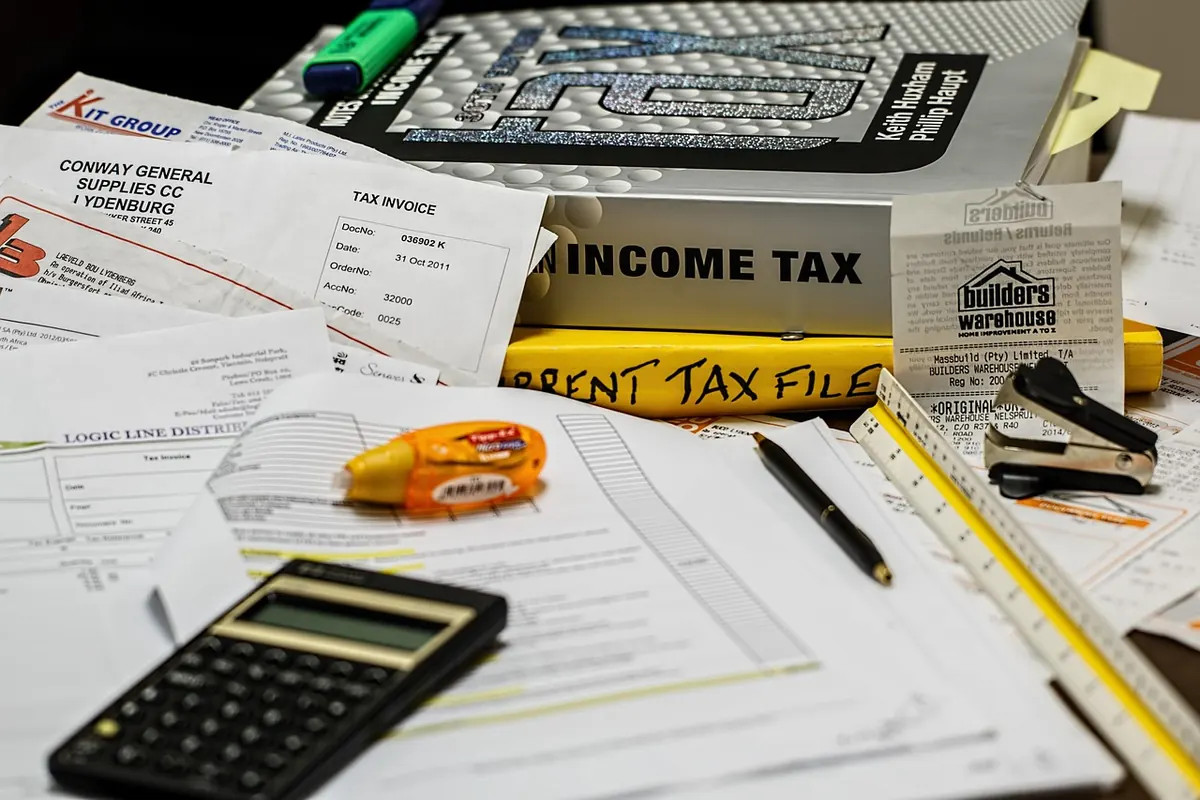
Most homes don't have a paperwork problem so much as a paperwork flow problem. Post arrives, gets opened standing up in the hall, and settles somewhere near the kettle. Three weeks later you're holding a boiler warranty you can't match to a receipt, and a renewal letter you're not sure you've already paid.
The reassuring part is that household paper is predictable. The same categories turn up year after year: bills, cover, warranties, manuals, receipts, tax bits. Build a home for each one and the piles stop forming. The whole thing can be set up in an afternoon and run on about ten minutes a week.
Before you buy a single folder, spend a week collecting everything that comes through the door. In most UK households it splits into a handful of groups:
Two things become obvious. Most of it is temporary and can go straight into the recycling. The rest is finite — six categories, not sixty. That matters, because an overflowing drawer usually isn't full of important things. It's full of unopened ones.
You need four places, not four hundred. Each one has a different job, and keeping them separate is what stops documents drifting.
A single shallow tray on the desk, or a shelf near wherever you pay bills. Anything that needs a decision, a payment or a reply goes here and nowhere else. Nothing sits longer than a week without a date written on it.
Current paperwork you might need to reach for: this year's bills, the active insurance schedule, ongoing service records. A lever arch file or a box file is plenty. It lives somewhere you can reach while standing up.
Warranties, manuals, previous tax years, pension letters — anything with long-term value. A lidded plastic box with hanging files covers most homes. Keep it accessible. An archive in the loft is just a bin with extra steps.
Everything else. Anything showing your name, address, account numbers or signature should be shredded rather than binned.
Simple beats clever. Name folders after the thing you'd search for, not the company that sent it. "Boiler" is easier to find than the name of the installer.
A workable set for most households:
Write the year in the top-right corner of anything you file. It takes two seconds and makes clearing out old years painless. If a document could belong in two folders, put it where you'd look first and stop worrying about it.
Filing systems fail at the point of entry, not at the point of storage. So deal with post the day it lands.
The "to file" pile is the enemy. It is a waiting room where documents go to be forgotten. Either it has a home or it goes in the bin.
This is the category people most regret losing, and the easiest one to get right.
Keep receipts for anything expensive or likely to fail: white goods, boilers, televisions, laptops, tools. Staple the receipt to the warranty leaflet so the two cannot be separated, and photograph both on your phone. If you bought online, the order confirmation email is your receipt — move it into a folder in your inbox rather than leaving it in the stream.
Manufacturer warranties usually run from the date of purchase, and you will often need proof of that date when you claim. Whether a retailer or manufacturer will help without a receipt varies, so keeping the proof is the safer habit. If you registered an extended warranty, note the policy number on the front of the folder.
One A4 wallet, or one folder for all of them, is plenty. Before you file a manual, write the model and serial number on the front — that's the first thing a repair engineer will ask for. Then keep a single sheet listing every appliance: model, serial number, where you bought it, the date, and when the warranty ends. One page, updated as things arrive, saves an hour every time something breaks.
When an appliance leaves the house, its manual, receipt and warranty go with it. A good archive shrinks as well as grows.
Money is usually saved before anything is filed — at the moment a renewal date is spotted with enough time to act on it. Insurance, breakdown cover, boiler servicing, broadband contracts, MOTs, subscriptions, passports and driving licences all carry dates.
Keep a renewals list, paper or digital, with the date and the notice period for each. Set a reminder two to three weeks ahead, not on the day. Notice periods and terms vary between providers, so check your own paperwork rather than assuming a fixed number of days. For anything with tax, pension or legal weight, keep the originals and confirm retention requirements with an accountant or the relevant body rather than guessing.
Twice a year, scan the subscriptions on your bank statement. It is the quickest way to find the ones you forgot you were paying for.
Once a year, take half an hour to empty the working file into the archive, then move anything outdated to the shredder. Old utility bills, expired policies and instructions for appliances you no longer own can all go.
Beyond that, the system needs almost nothing. Open post standing up, decide once, write the date on it, file it or bin it. A household that deals with a letter a day never ends up with a drawer full — and that is really all paperwork organisation is: small decisions made early, rather than one large decision made in a panic.
Photo: stevepb / Pixabay

Organize your home with simple notes and reminders..
Copyright © 2026 Memo House. All rights reserved. Memo House.